Backyard Dishes and Deep Space: How Ham Radio Hobbyists Are Tuning Into NASA Missions
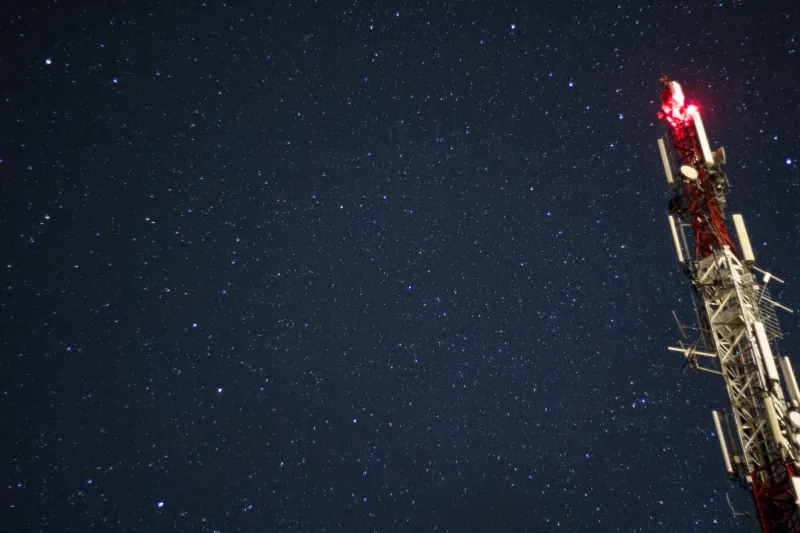
Picture this: a guy in suburban Ohio, coffee in hand, sitting in front of a modest antenna setup in his backyard shed. Outside, the neighbors are mowing lawns and walking dogs. Inside, he's pulling in signals from a spacecraft cruising somewhere between Earth and Mars. It sounds like science fiction, but it's happening right now, and NASA knows about it — and honestly, they're pretty glad it is.
The relationship between amateur radio operators and space exploration is older than most people realize. But lately, that connection has gotten a serious upgrade, and the contributions hobbyists are making to deep space communication have moved well beyond novelty status.
A Network With Gaps — and the People Filling Them
NASA's Deep Space Network, or DSN, is an extraordinary piece of infrastructure. Three massive antenna complexes — located in California, Spain, and Australia — handle communications with dozens of active spacecraft scattered across the solar system. The system is impressive, but it's also stretched thin. With an increasing number of missions competing for time on those dishes, scheduling conflicts are real, and coverage gaps do occur.
That's where the amateur community comes in. Hobbyists equipped with the right gear can receive telemetry signals from certain spacecraft and log that data for NASA and affiliated research teams. It's not replacing the DSN — not even close — but it adds a layer of redundancy and fills in some of those cracks in a way that would otherwise require expensive infrastructure expansion.
Projects like SatNOGS (Satellite Networked Open Ground Station) have built a global, open-source network of ground stations that track and receive signals from satellites and deep space probes. Volunteers run these stations from their homes, sharing data through a central database that researchers can access freely. The network has grown to include hundreds of stations across the United States and thousands worldwide.
What Kind of Equipment Does This Actually Take?
Here's where a lot of people assume the barrier to entry is impossibly high. It's really not. Depending on what you want to do, you can get started at very different price points.
For picking up signals from low Earth orbit satellites, a basic software-defined radio (SDR) dongle — some run as cheap as $25 — paired with a simple antenna can get you in the game. These little USB devices plug into your laptop and, with the right free software, turn your computer into a radio receiver capable of picking up a surprising range of frequencies.
For deeper space work, you'll need more. A directional antenna, a low-noise amplifier, and more sophisticated SDR hardware become necessary. Some dedicated hobbyists have built setups running into the thousands of dollars, with dish antennas mounted on motorized mounts that can track moving objects across the sky. But even mid-range setups in the $300–$700 range can contribute meaningful data to ongoing projects.
The other thing you'll need — at least for transmitting — is a ham radio license. The FCC issues these, and the entry-level Technician license exam is genuinely approachable for most people. Plenty of free study materials exist online, and local amateur radio clubs (there are thousands across the US) often run exam sessions and mentorship programs for newcomers.
Real Missions, Real Contributions
This isn't just a feel-good story about hobbyists playing pretend. Amateur operators have made concrete contributions to actual NASA missions.
When NASA's CAPSTONE spacecraft — a small CubeSat launched in 2022 to test a lunar orbit ahead of the Gateway space station — experienced a communication anomaly shortly after launch, amateur radio stations around the world helped track its signals and confirm its status. The global amateur network responded quickly, providing data that helped engineers understand what was happening with the spacecraft.
Similarly, during various planetary flybys and mission milestones, amateur operators have been first to confirm signal acquisition or detect unexpected transmissions, sometimes beating official announcements. The 2019 flyby of Ultima Thule (now officially named Arrokoth) by New Horizons generated significant amateur tracking activity, with hobbyists logging signal data that complemented official observations.
These aren't isolated incidents. They reflect a broader pattern of the amateur community serving as a distributed, flexible extension of professional space communication infrastructure.
The Community Behind the Antennas
One thing that often surprises newcomers is how welcoming and collaborative the amateur radio and citizen science space communities tend to be. Online forums, Discord servers, and subreddits dedicated to radio astronomy and satellite tracking are active and friendly. Groups like the AMSAT (Radio Amateur Satellite Corporation) have been bridging the gap between ham radio and space exploration for decades, and they actively support newcomers.
Local astronomy clubs and maker spaces have also started incorporating SDR and radio astronomy into their programming, recognizing that it's a genuinely accessible entry point into space science that doesn't require a telescope or clear skies. Radio waves pass right through clouds — something visual astronomers stuck in Seattle or Pittsburgh can deeply appreciate.
So, Can You Actually Do This?
Short answer: yes, probably sooner than you think.
If you're starting from scratch, a reasonable first step is downloading free SDR software like SDR# or GQRX and picking up an inexpensive RTL-SDR dongle. Spend a few weekends experimenting with it — tune into weather satellites, track aircraft with ADS-B signals, listen to the International Space Station's packet radio beacon. Get a feel for how radio signals behave.
From there, look into creating a SatNOGS account and contributing observations to their network. Their documentation is solid, and the community is active and helpful. If you want to go further, pursue that ham radio license and start engaging with AMSAT and similar organizations.
The path from curious beginner to someone contributing real data to space missions is shorter than most people expect. And in a field where the distances involved are measured in billions of miles, the fact that a hobbyist in their backyard can be part of the conversation at all is, frankly, kind of remarkable.
Dawn Space has always believed that space exploration isn't just for the professionals — it's for anyone willing to point something at the sky and listen. The universe is broadcasting. You just need the right receiver.